Jeff Cook Real Estate Highlights 2023 Top Agents of Quarter 1

Jeff Cook Real Estate Highlights 2023 Top Agents of Quarter 1

Jeff Cook Real Estate Highlights 2023 Top Agents of Quarter 1

From left to right: Heidi Schaefer, Brandon Garon, Whitney Hall, Clayton Hall, Nancy Walsh

From left to right: Heidi Schaefer, Brandon Garon, Whitney Hall, Clayton Hall, Nancy Walsh

Charleston, SC, March 30, 2023 (GLOBE NEWSWIRE) — Jeff Cook Real Estate is pleased to announce the outstanding achievements of its top agents in the first quarter of 2023. These agents have demonstrated exceptional performance, dedication, and expertise in the real estate industry, and have exceeded expectations in their sales and customer service efforts. With their exceptional skills and commitment to excellence, these agents have helped countless clients achieve their real estate goals and have contributed significantly to the success of Jeff Cook Real Estate. We are proud to recognize their hard work and dedication and look forward to seeing their continued success in the future.

The Hall Group

Top Team at Jeff Cook Real Estate

Clayton and Whitney, the dynamic duo of the Hall Group at Jeff Cook Real Estate, have not only excelled in their careers but have also created a beautiful life together. Clayton, originally from Vero Beach, FL, attended Florida State University, while Whitney, hailing from Columbia, SC, graduated from the College of Charleston. They joined Jeff Cook Real Estate in Mt Pleasant in 2017 and hit it off immediately. After being friends for a year, they started dating in 2018, got married in 2021, and are now the proud parents of a 6-month-old baby girl, Sawyer, and a 6-year-old dog, Hudson. As agents, Clayton and Whitney have helped over 175 families buy and sell real estate in the past 5 and a half years. They credit their success to the family-like environment at Jeff Cook Real Estate, where everyone is supportive and willing to help at a moment’s notice. However, their biggest accomplishment so far is joining together as a husband and wife team and forming the Hall Group, where they have found a system that allows them to better serve their clients while balancing family time. Contact Whitney by calling 843-428-7578 or emailing whitney.hall@jeffcookrealestate.com. Contact Clayton by calling 843-396-3773 or by emailing clayton.hall@jeffcookrealestate.com.

Brandon Garon

Top Buyer Agent at Jeff Cook Real Estate

Originally from Southern California, Brandon relocated to Lexington, South Carolina in 2015 with his wife Danielle and two young boys, Noah and Wyatt. Prior to his career in real estate, Brandon worked as an EMT for 10 years, gaining valuable experience in customer service and problem-solving. Since joining Jeff Cook Real Estate in 2018, Brandon has served over 75 families and closed over $20 million in volume, finishing 2022 as one of the top 10 agents in the entire company. Brandon credits his success to the family-like culture at Jeff Cook Real Estate, saying, “It is more than just a place to work, it is a family. We go through life together, supporting each other in the job and in life.” His biggest accomplishment so far is persevering through the challenges of the industry and becoming a top-producing agent. Brandon’s ultimate goal is to help guide others as they embark on their own journeys, and he does so through his YouTube channel where he shares the Midlands of South Carolina through the eyes of a transplant and real estate agent. As Brandon puts it, “I love this career and feel blessed to have been given the opportunity with Jeff Cook Real Estate, who helped get me started and continues to support me as I have grown into a top producing agent.” Contact Brandon by calling 803-766-4663 or by emailing brandon.garon@jeffcookrealestate.com. Be sure to check out his Youtube channel here http://midlandsofsc.com/.

Nancy Walsh

Top Seller Agent at Jeff Cook Real Estate

Nancy is a successful real estate agent at Jeff Cook Real Estate and has a deep love for family that has been a driving force in her career. Having helped over 170 families build new lives in homes they found together, Nancy’s true joy comes from making these connections. She is a mother of four adult children and two stepchildren, as well as a proud grandmother of six grandchildren. Her supportive husband, Kevin, is also her real estate partner. With Jeff Cook Real Estate, Nancy discovered her true entrepreneurial spirit, having been given the tools and confidence she needed to be successful. Every transaction is special to her, and she considers it a huge accomplishment every time she helps match a family with a home. Nancy loves her job and is passionate about continuing to help families find their dream homes. Contact Nancy by calling 843-994-3715 or by emailing nancy.walsh@jeffcookrealestate.com.

Heidi Schaefer

Rising Star at Jeff Cook Real Estate

Heidi is a native Southern California girl who has lived in 11 states as well as Switzerland. After serving as a flight attendant for almost a decade, she decided to switch careers and became a real estate agent. Since joining Jeff Cook Real Estate in November of 2022, Heidi has already closed three deals in less than 120 days. She loves the supportive and family-oriented culture at Jeff Cook Real Estate and feels motivated to continue her success. Heidi is a mother of four grown children and a grandmother to four little ones ranging in age from 3 months to 7 years old. Despite working another job and taking care of her elderly mother, she has jumped in with both feet and is excited to keep the momentum going. Contact Heidi by calling 843-417-0495 or by emailing heidi.schaefer@jeffcookrealestate.com. 

If you’re interested in buying a home or selling your current one, give us a call at 855-HEY-JEFF. To learn more about joining Jeff Cook Real Estate visit, JoinJCRE.com.

Attachment

CONTACT: Patricia Utsey Jeff Cook Real Estate 8432252002 marketing@jeffcookrealestate.com

Seven-bedroom Hubbell, Lauridsen family home for sale in Des Moines

Seven-bedroom Hubbell, Lauridsen family home for sale in Des Moines

A historic mansion that has been house over the yrs to two outstanding Des Moines families is on the industry for far more than $2 million.

James W. Hubbell Sr., grandson of Frederick Hubbell, founder of the Hubbell authentic estate empire in Des Moines, crafted the stately English Tudor-model dwelling in 1927 at 1401 Casady Drive in a neighborhood about a fifty percent-mile south of the present-day-working day Gray’s Lake Park.

The Hubbell family members owned the house until its sale in 2000 to a couple from Virginia who worked for Wells Fargo. Then Nix Lauridsen, who owns the Ankeny-dependent Lauridsen wellness and food items conglomerate and with his wife, Virginia, has been the benefactor of lots of Des Moines civic institutions, acquired it for $2 million in 2010.

Inside a $218 million private island in Palm Beach, Florida

Inside a 8 million private island in Palm Beach, Florida

A private island in Palm Beach could become the most-expensive home ever sold in Florida, if it gets its asking price of $218 million.

Developer Todd Michael Glaser and his partners bought 10 Tarpon Isle — the only private island in Palm Beach — for $85 million in 2021. They built a brand new house, turned the existing structure into a guest house, and added a giant pool, tennis courts and other amenities and have now relisted the property.

“I paid $85 million without a hesitation because there’s only one of them,” Glaser said. “You watch art, they sell. There’s a Mercedes 300 SLR that just sold for $142 million. … That’s what this is … it’s a one of one.”

Tarpon Isle, a private island in Palm Beach, Florida, is on sale for $218 million.

CNBC

When Glaser bought Tarpon Isle, it held a modest 1940s house and plenty of potential.

“I came over the bridge, I saw the two trees and I said, ‘Guys, let’s knock down the garage and the guest house and the maid’s quarters and let’s build a brand new house,'” Glaser said.

The new main house is over 9,000 square feet. With the guest house, tennis pavilion and other structures, the property now has over 21,000 feet of living space. There are 11 bedrooms, 15 full bathrooms and seven half-baths.

Tarpon Isle, a private island in Palm Beach, Florida, is on sale for $218 million.

CNBC

Unlike many Palm Beach mansions, which are Mediterranean-styled giants festooned with gold carvings and mahogany, Tarpon Isle is a study in modern simplicity, where the star of the home is sweeping water views on all four sides.

The master bedroom suite is a large complex of closets, bathrooms and sitting areas. The larger of two bathrooms is a temple of white Italian marble, covering the floors, countertops, ceiling and oversized shower. A large soaking tub perched in front of the windows overlooks the Intracoastal Waterway.

A waterfront bathroom inside the main home on Tarpon Isle, a private island in Palm Beach, Florida, on sale for $218 million.

CNBC

“It’s the best bathroom I ever did,” Glaser said. “My wife picked it, and she did an incredible job. I’ve never seen anything like this bathroom.”

Outside, there’s a new 98-foot pool overlooking the views of the water to the south. A large dock can fit multiple boats or a mega-yacht. The guest house features resort-like amenities, including a spa, massage room, salon and entertainment area.

“That’s the way we designed it,” Glaser said. “When people come to Palm Beach they bring their families, they’re on vacation.”

A dock servicing Tarpon Isle, a private island in Palm Beach, Florida, on sale for $218 million.

CNBC

Glaser said the human-made island, which was built in the 1940s, has a high sea wall. Because it’s well protected in the Intracoastal and well elevated, it has easily weathered big storms and tidal surges, he said.

Granted, $218 million is an ambitious price, even for Palm Beach. The record sale in the enclave was Oracle founder Larry Ellison’s $173 million purchase of billionaire Jim Clark’s oceanfront estate last year.

A living space inside the main home on Tarpon Isle, a private island in Palm Beach, Florida, on sale for $218 million.

CNBC

Palm Beach is the most expensive real estate market in the country, with an average sale price of nearly $13 million, according to Douglas Elliman and Miller Samuel. Many homes saw their prices more than triple during the pandemic as ultra-wealthy buyers from the Northeast fled to Florida, and the coveted properties in Palm Beach in particular.

Christopher Leavitt of Douglas Elliman, who is listing the property alongside Christian Angle Real Estate, said interest in the property has been strong, especially from hedge fund managers and finance chiefs looking to relocate south.

“The buyer of this home is someone who wants the one and only private island on the island of Palm Beach, surrounded 360 degrees by water, accessible by your boat or a private bridge,” Leavitt said. “It’s somebody who wants that one property that no one else has, that one trophy property.” 

Glaser declined to say what profit he would make if the home sells for its asking price. He added that he and his investors spent “a fortune” on the new home and improvements. But he said the buyer will be making a long-term investment.

“Whoever buys this house, in five years they’re going to be very happy with the purchase,” he said. “It’s a legacy property that they’ll own for the rest of their lives.”

Tarpon Isle, a private island in Palm Beach, Florida, is on sale for $218 million.

CNBC

Hot homes: 5 Denver-area houses for sale, starting at $500K

Hot homes: 5 Denver-area houses for sale, starting at 0K
Alayna Alvarez

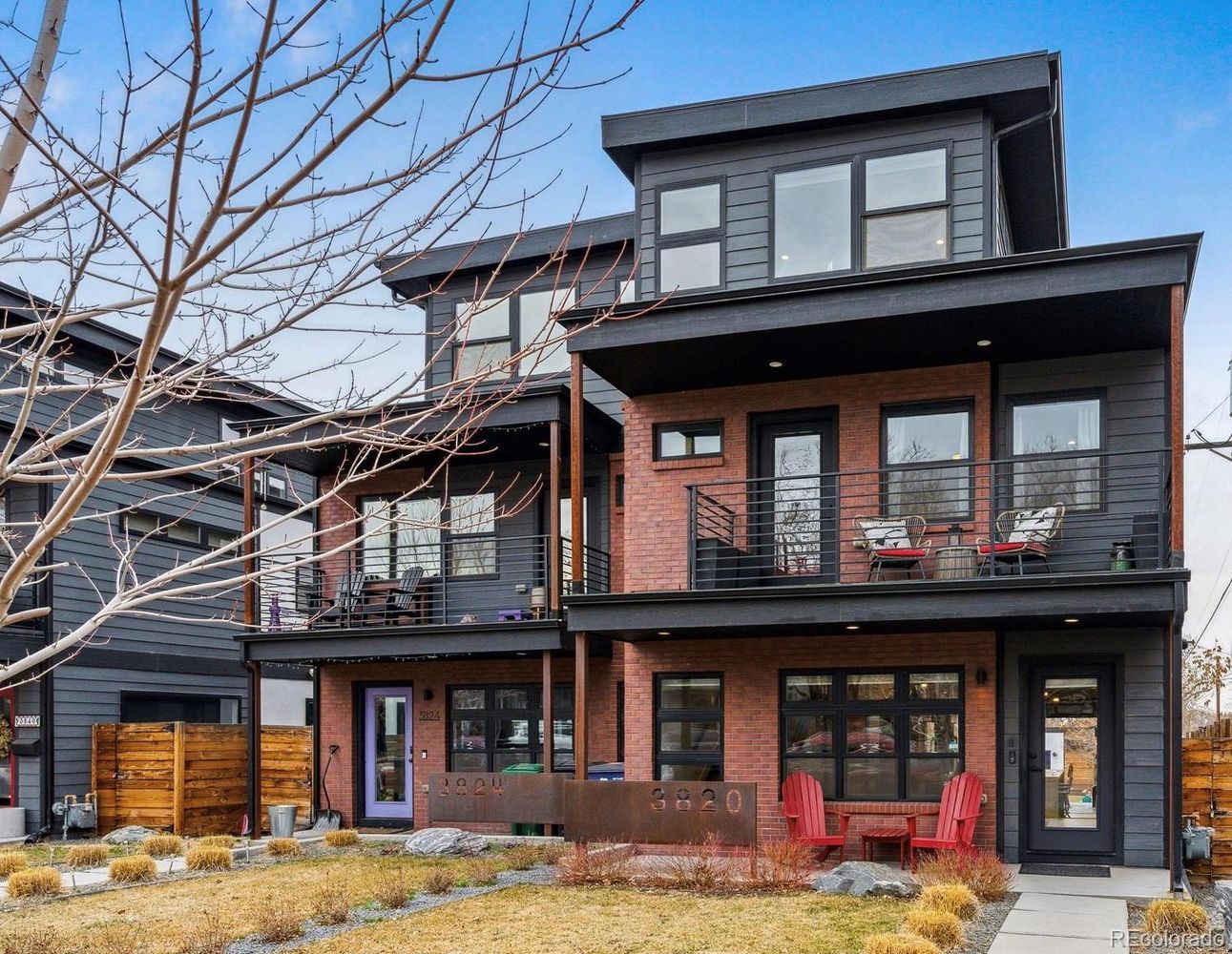
3820 Shoshone St. Photo: Courtesy of Compass

This week’s Hot Homes roundup includes a handful of unique Denver properties packed with plenty of charm.

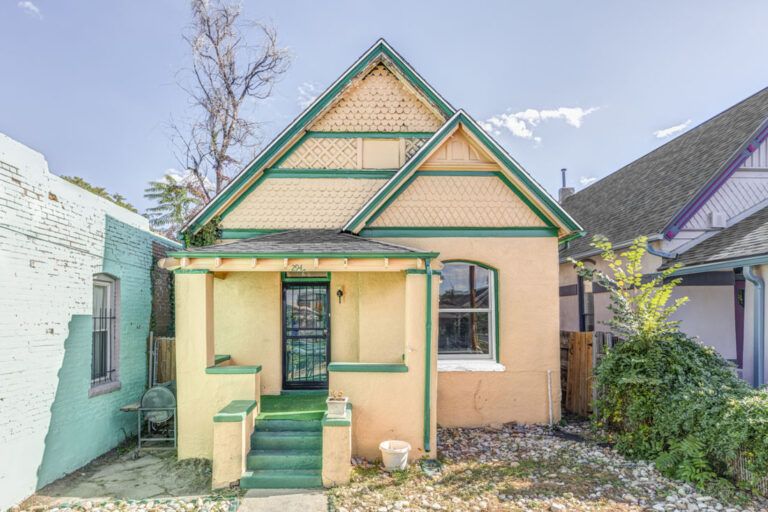
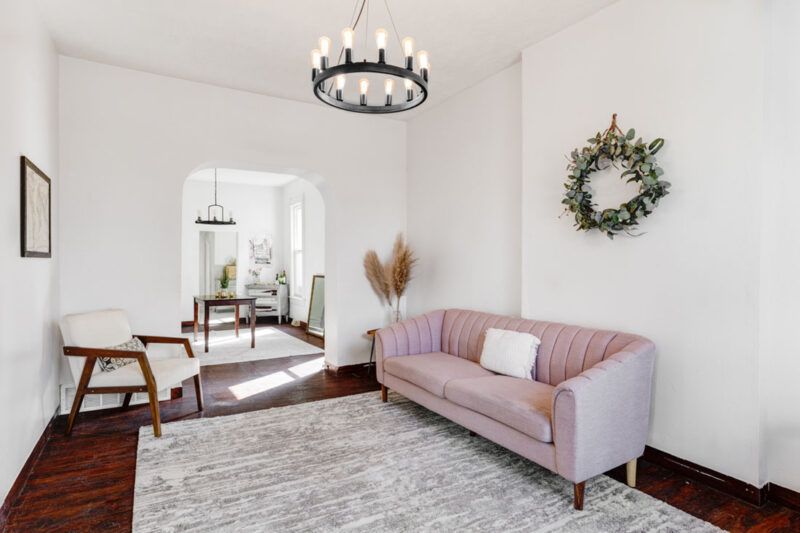
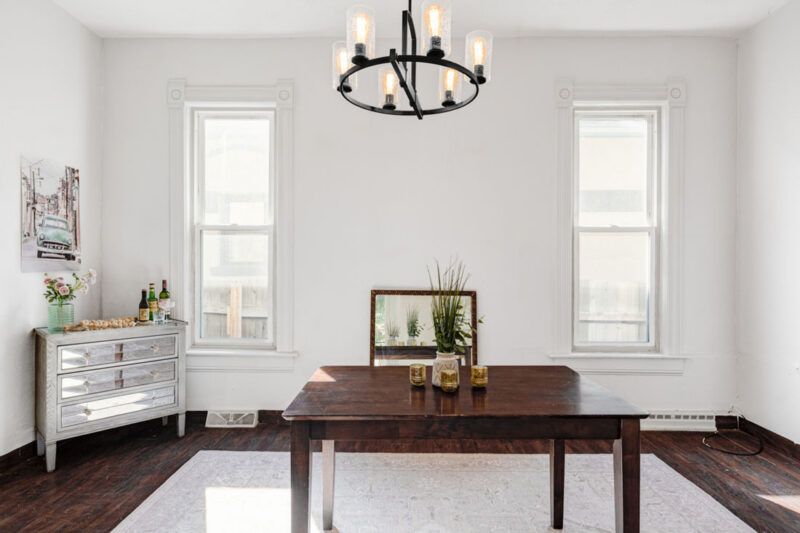
2942 Glenarm Place — $500,000

Why we love it: This cheery and light-filled residence, nestled in one of Denver’s most historic neighborhoods, offers an attached ADU with possibilities for a personal office, guest house or rental unit.

  • Neighborhood: Five Points
  • Specs: 2 bedrooms, 2 bathrooms, 1,121 square feet above, 304-square-foot basement
  • Listing agent: Jennifer Johnson at milehimodern
  • Features: Covered front porch, beautiful front door with stained glass windows, large windows, spacious kitchen with neutral-tiled backsplash.
2942 Glenarm Place. Photo: Courtesy of Rae Scott/milehimodern
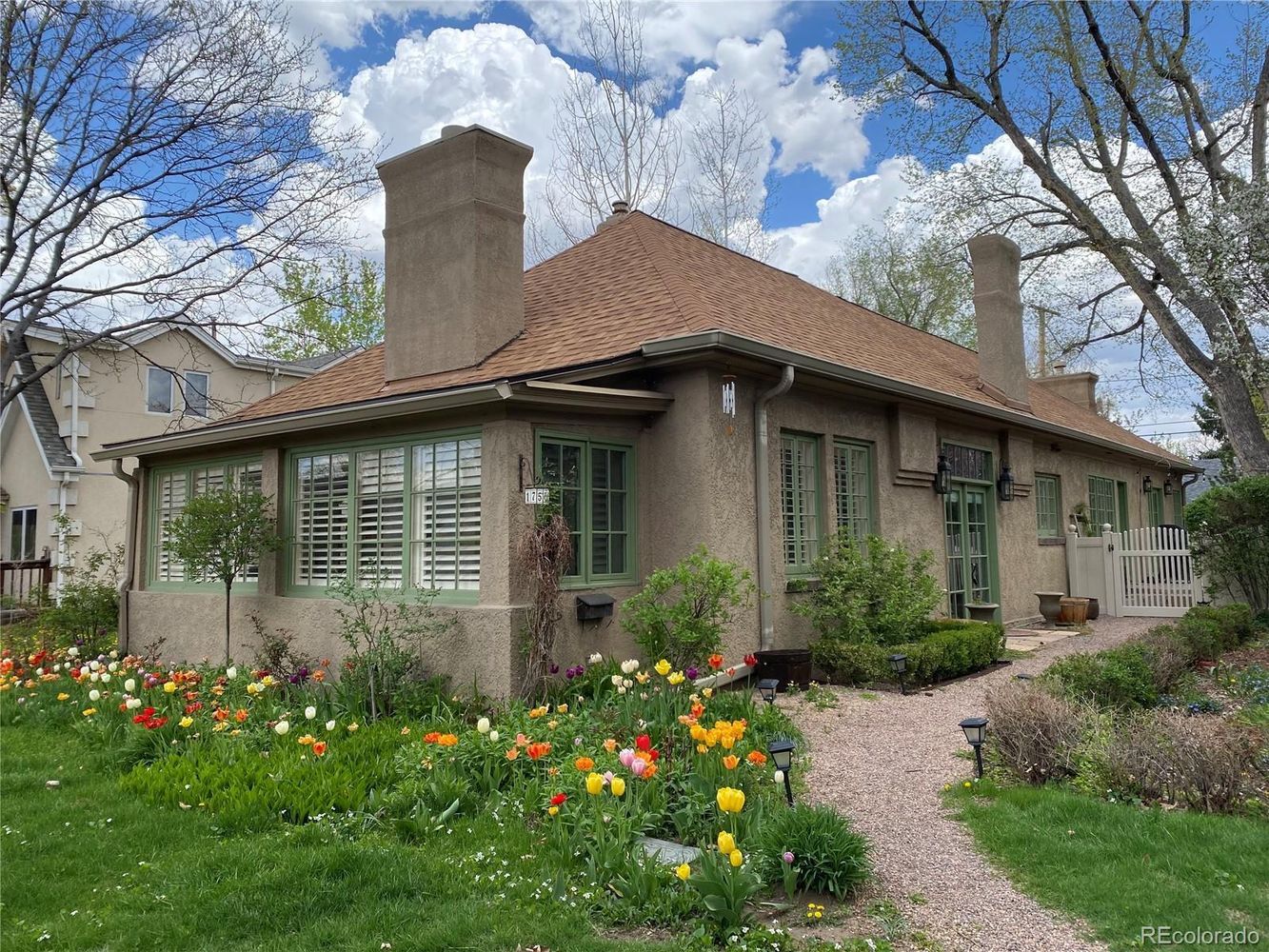
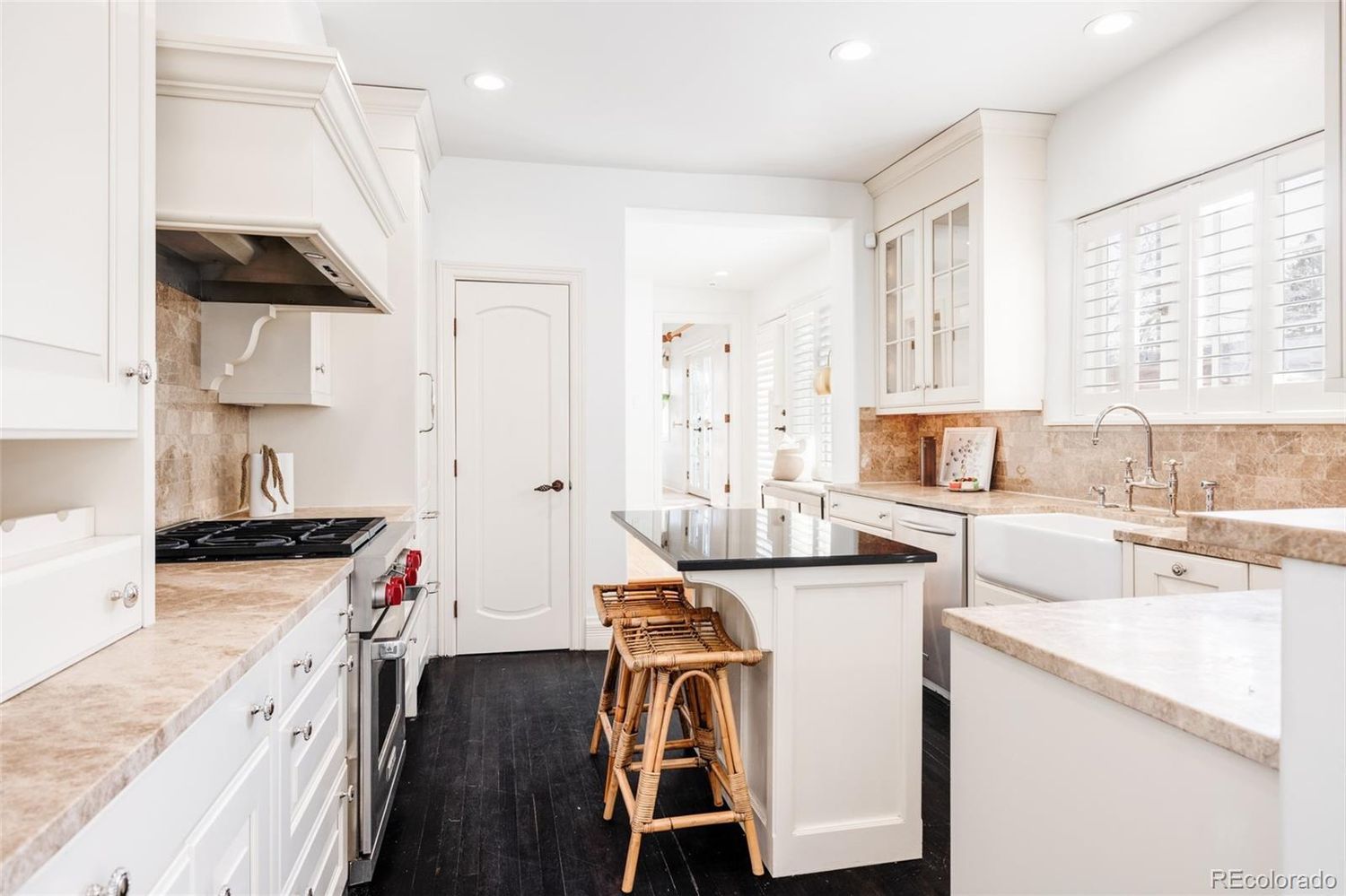
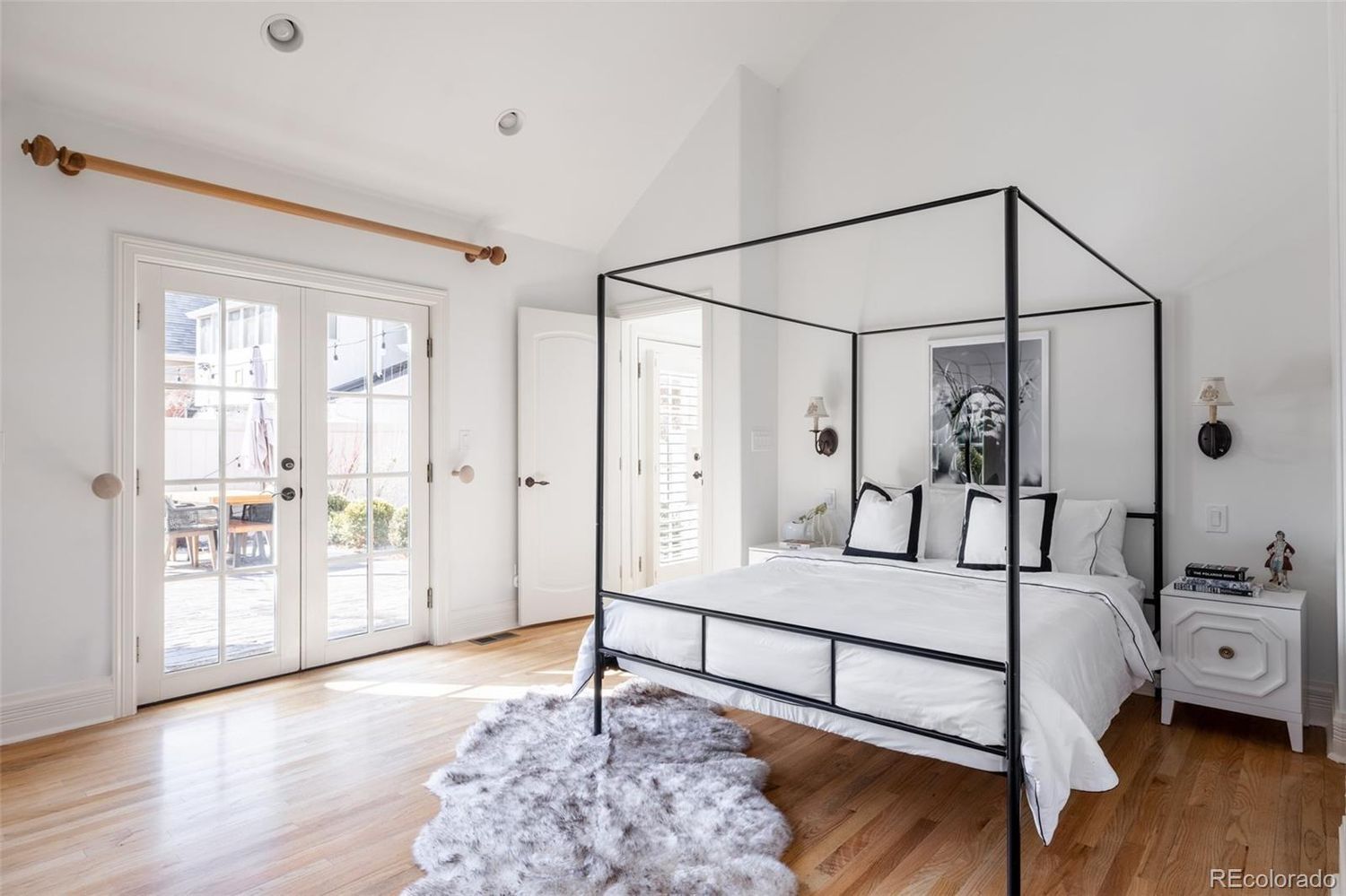
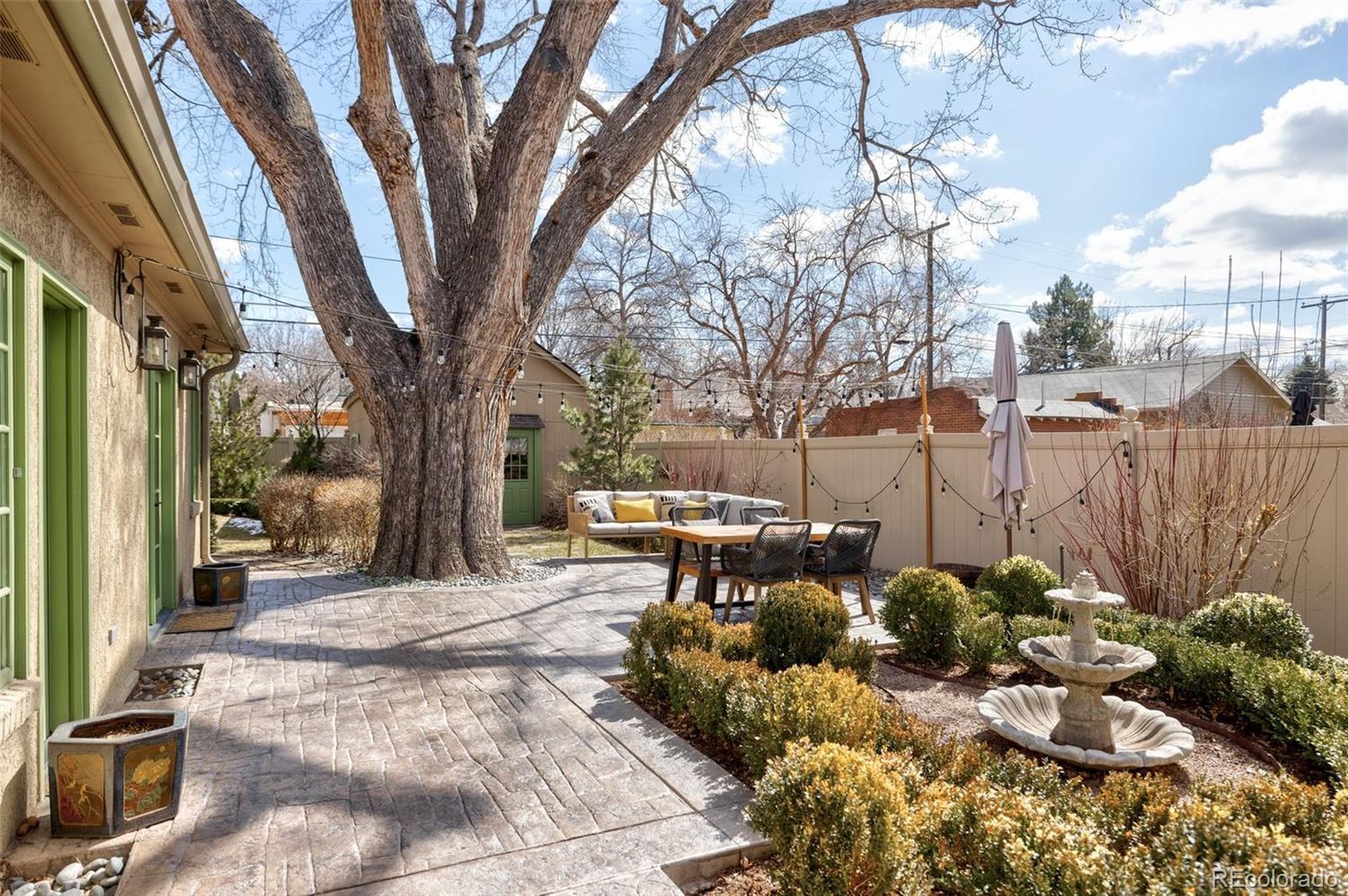
1756 South Clarkson St. — $1,175,000

Why we love it: This turn-of-the-century charmer packs plenty of curb appeal and boasts a breathtaking patio that’s perfect for parties.

  • Neighborhood: Platt Park
  • Specs: 2 bedrooms, 2 bathrooms, 1,651 square feet
  • Listing agent: Abell to Sell
  • Features: Hardwood floors, sunroom, wine cellar, primary suite with vaulted ceiling, five-piece bathroom, fireplace, walk-in closet and outdoor access.
1756 South Clarkson St. Photo: Courtesy of Compass
3820 Shoshone St. — $1,350,000

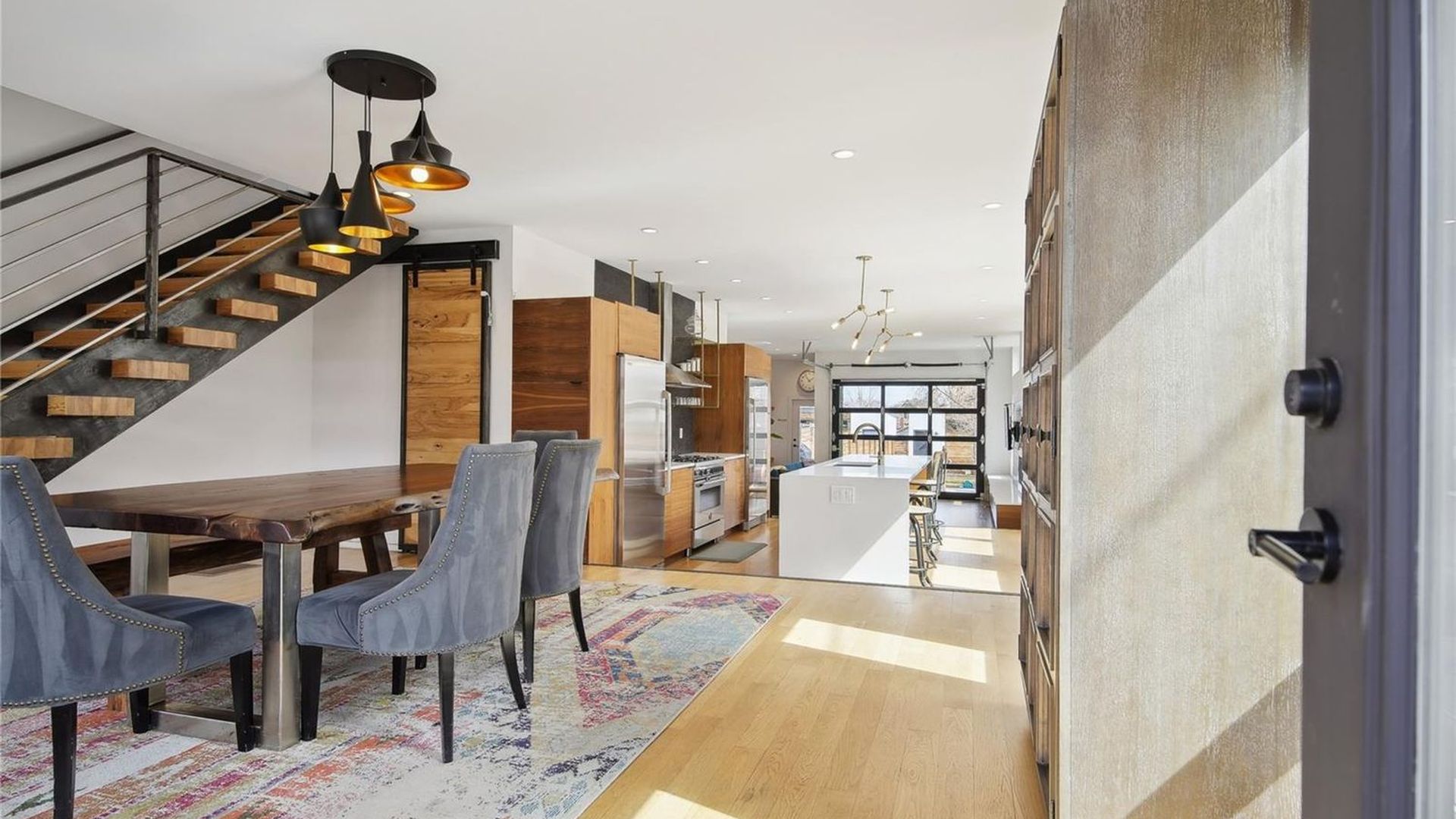
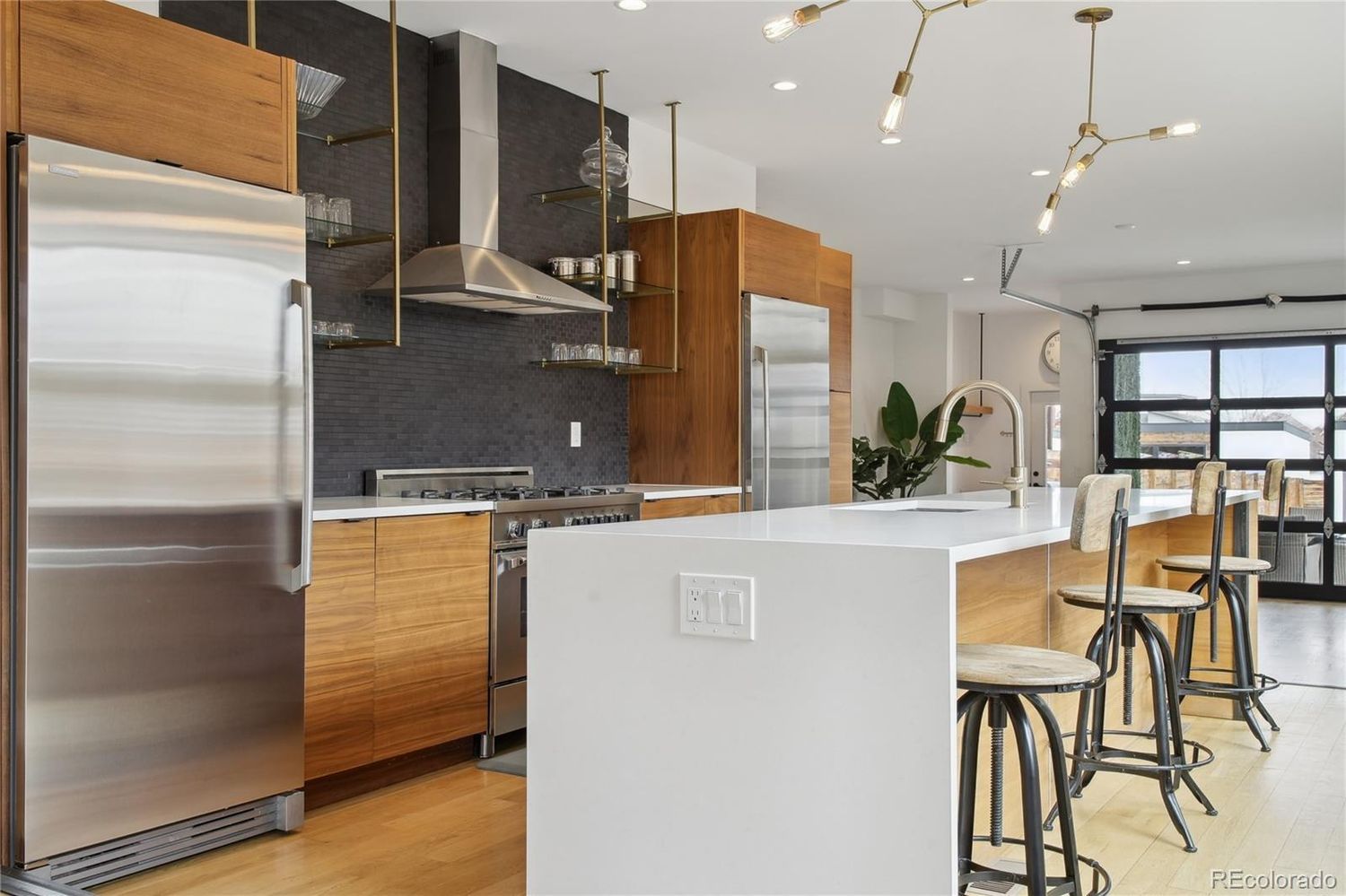
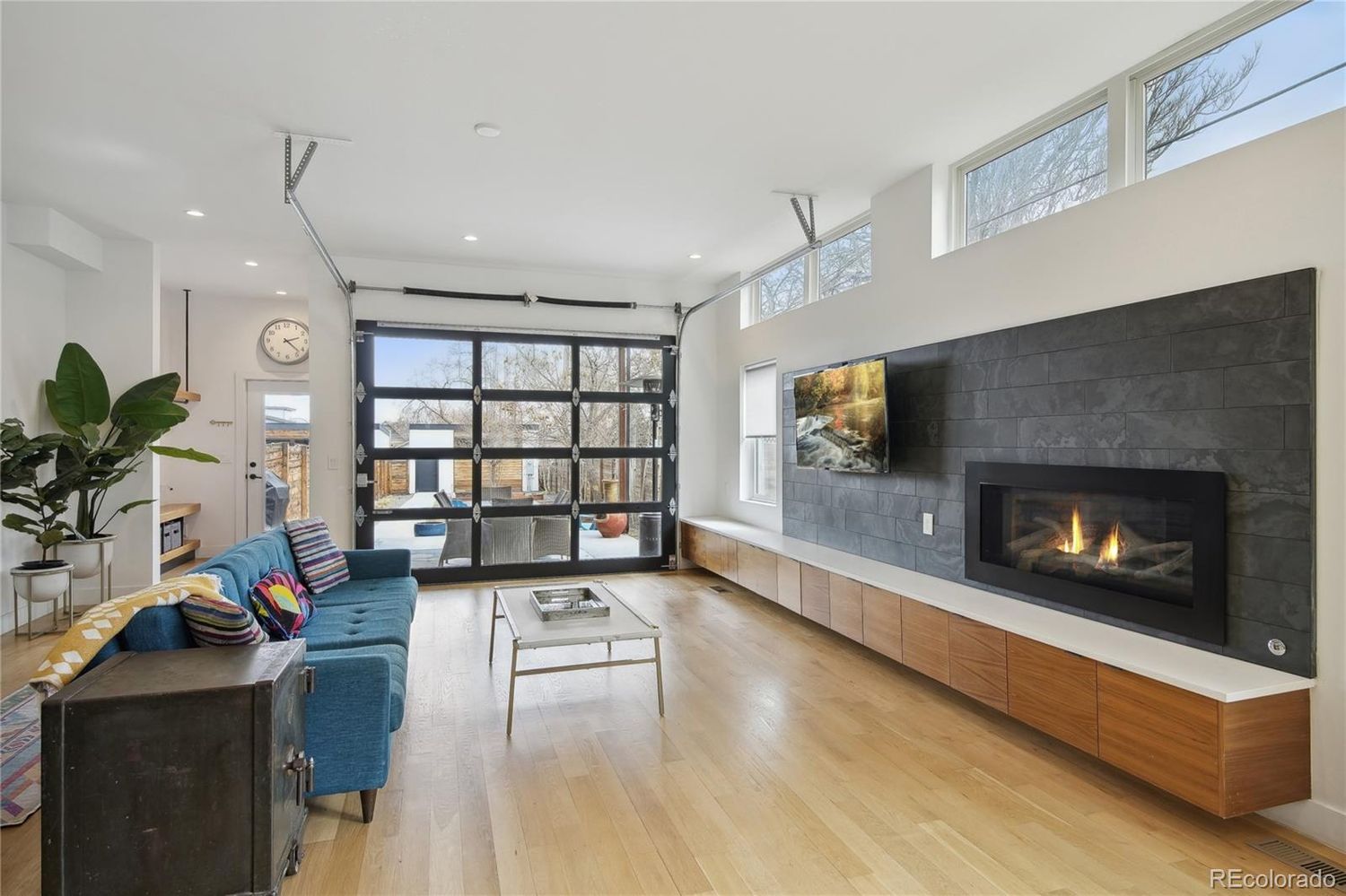
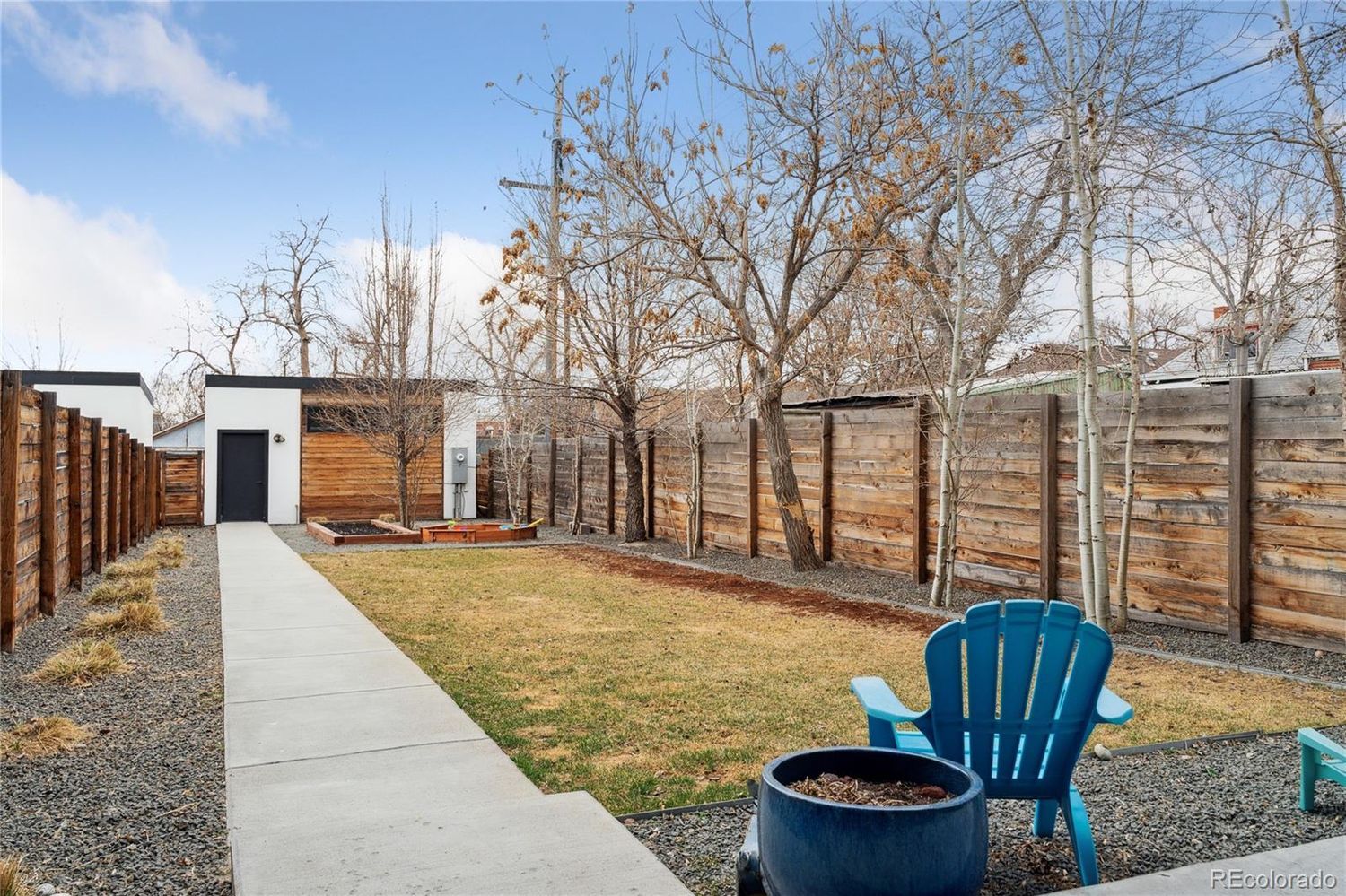
Why we love it: This ultra-contemporary half-duplex features a functional glass garage door that opens to the rear patio and large backyard — an entertainer’s dream.

  • Neighborhood: Sunnyside
  • Specs: 4 bedrooms, 5 bathrooms, 3,233 square feet
  • Listing agent: David Schlichter at Compass
  • Features: Gourmet chef’s kitchen with long quartz island, hardwood floors, floating stairwell, large living room with gas fireplace, primary suite with five-piece bathroom and double walk-in closets, west-facing balcony.
3820 Shoshone St. Photo: Courtesy of Compass
2955 Inca St., Unit 1H — $1,350,000

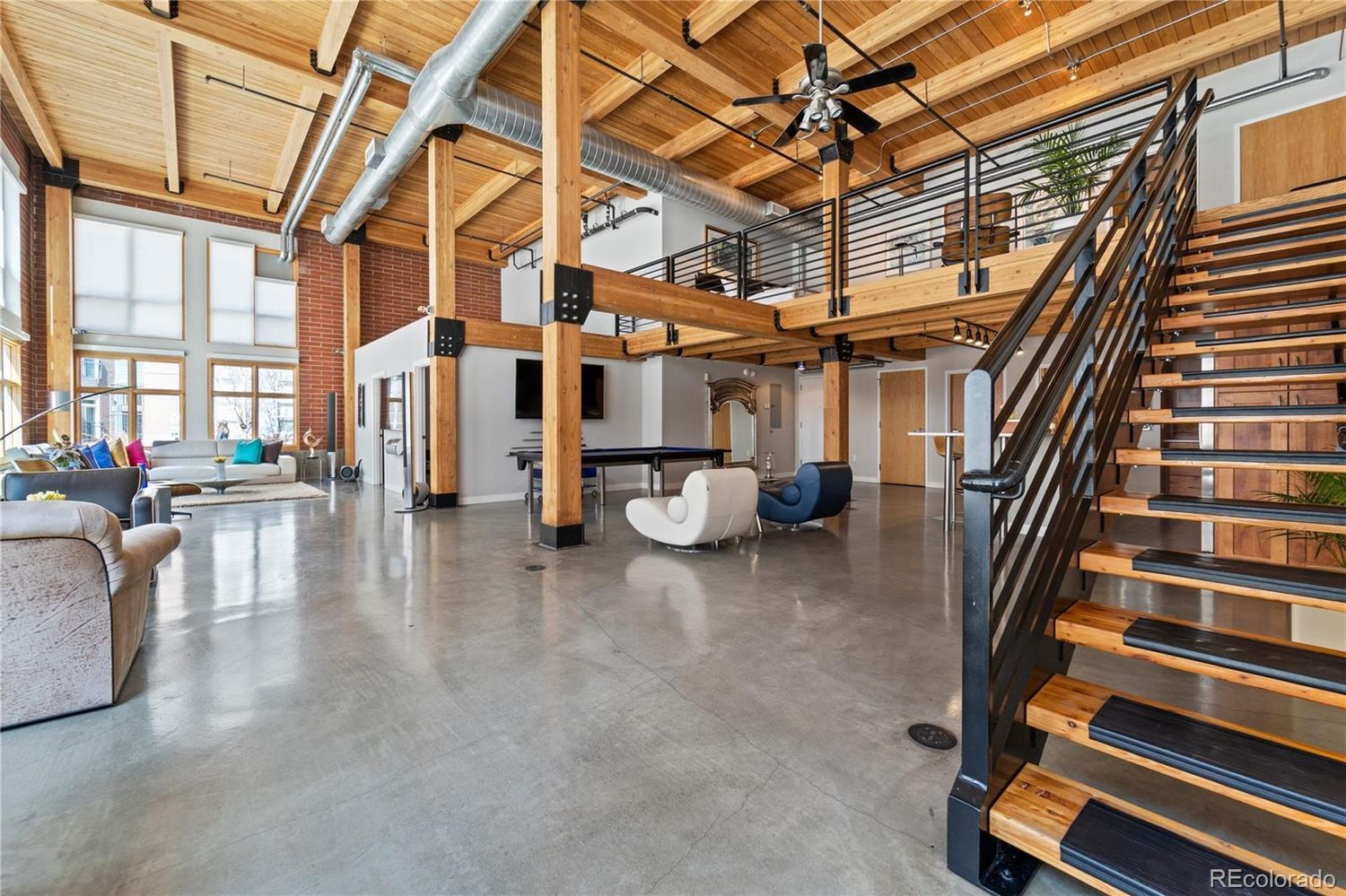
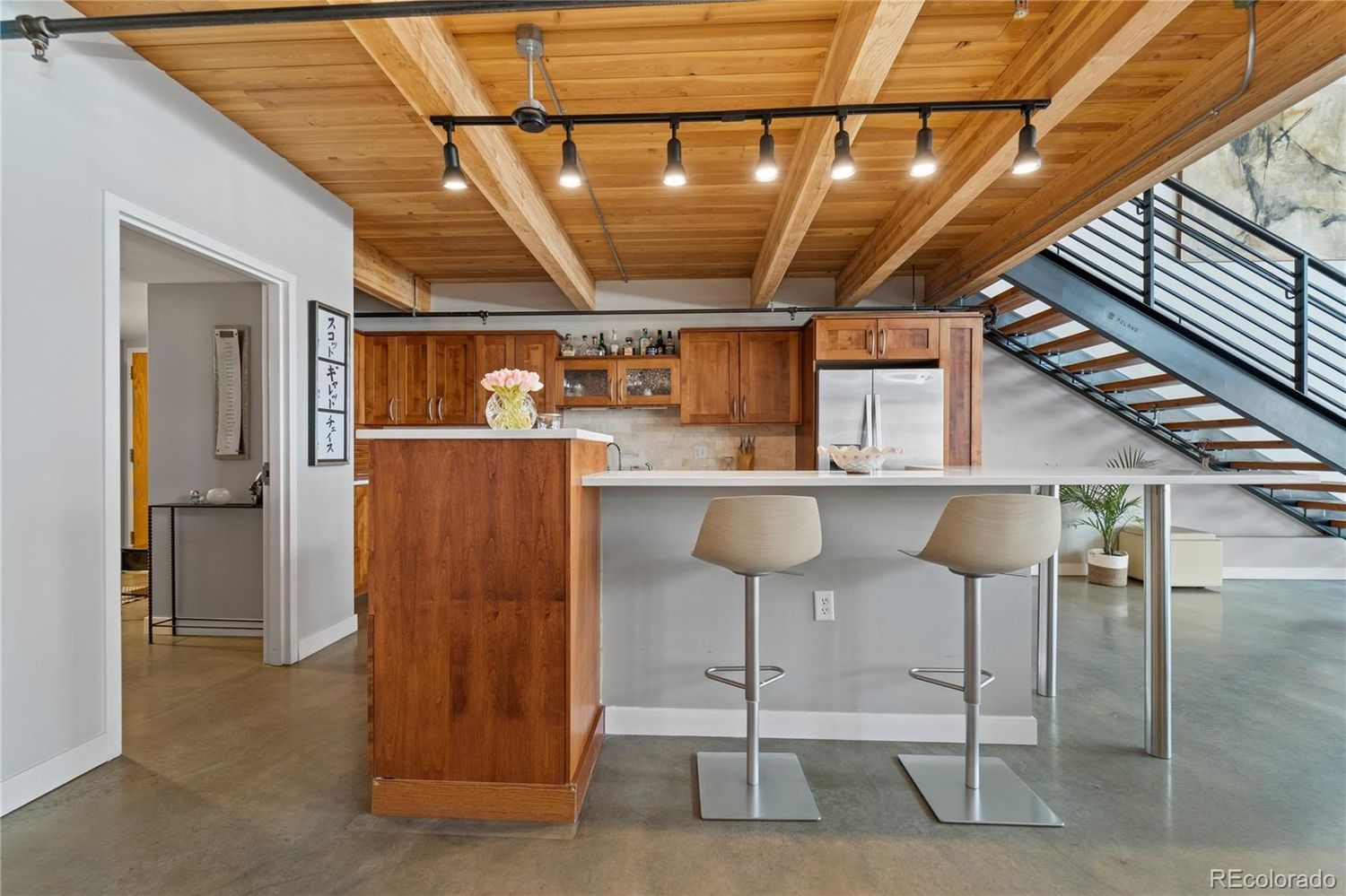
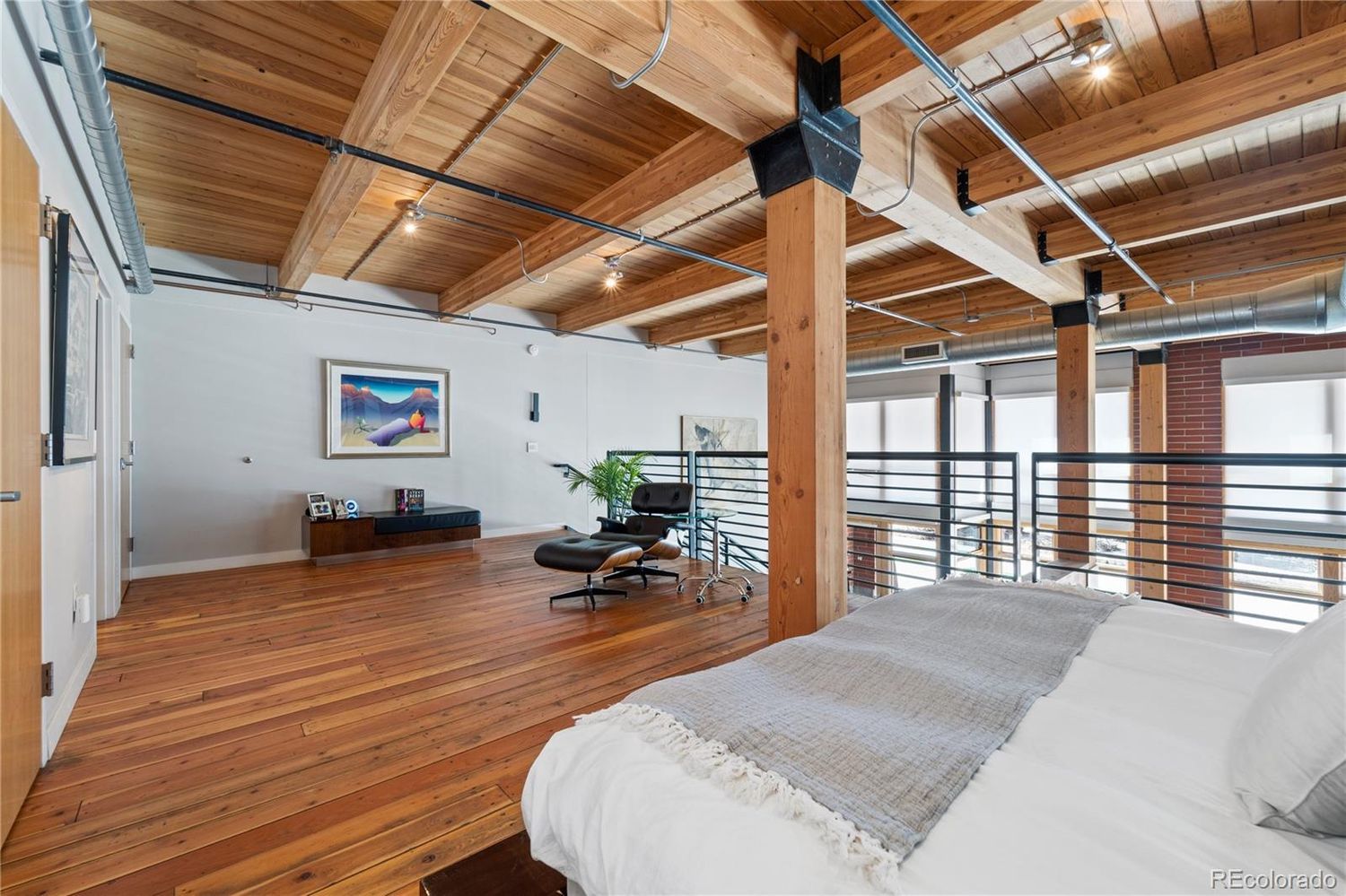
Why we love it: Whether you want to turn this space into a personal residence or an office space, the choice is yours at this towering, two-story corner unit — the largest in Ajax Lofts.

  • Neighborhood: Ballpark
  • Specs: 2 bedrooms, 2 bathrooms, 2,402 square feet
  • Listing agent: Diane Hiley at Compass
  • Features: Soaring 20-foot wood ceilings, floor-to-ceiling windows, polished concrete floors, heavy timber beams, exposed brick, two deeded parking spaces in secured underground garage.
2955 Inca St., Unit 1H. Photo: Courtesy of Compass
400 South Steele St., Unit 16 — $3,950,000

Why we love it: Elegance and sophistication are embodied in this expansive abode, which sits just blocks away from the Cherry Creek shopping district.

  • Neighborhood: Hyde Park
  • Specs: 4 beds, 4 baths, 8,831 square feet
  • Listing agent: Laura Seitz at Compass
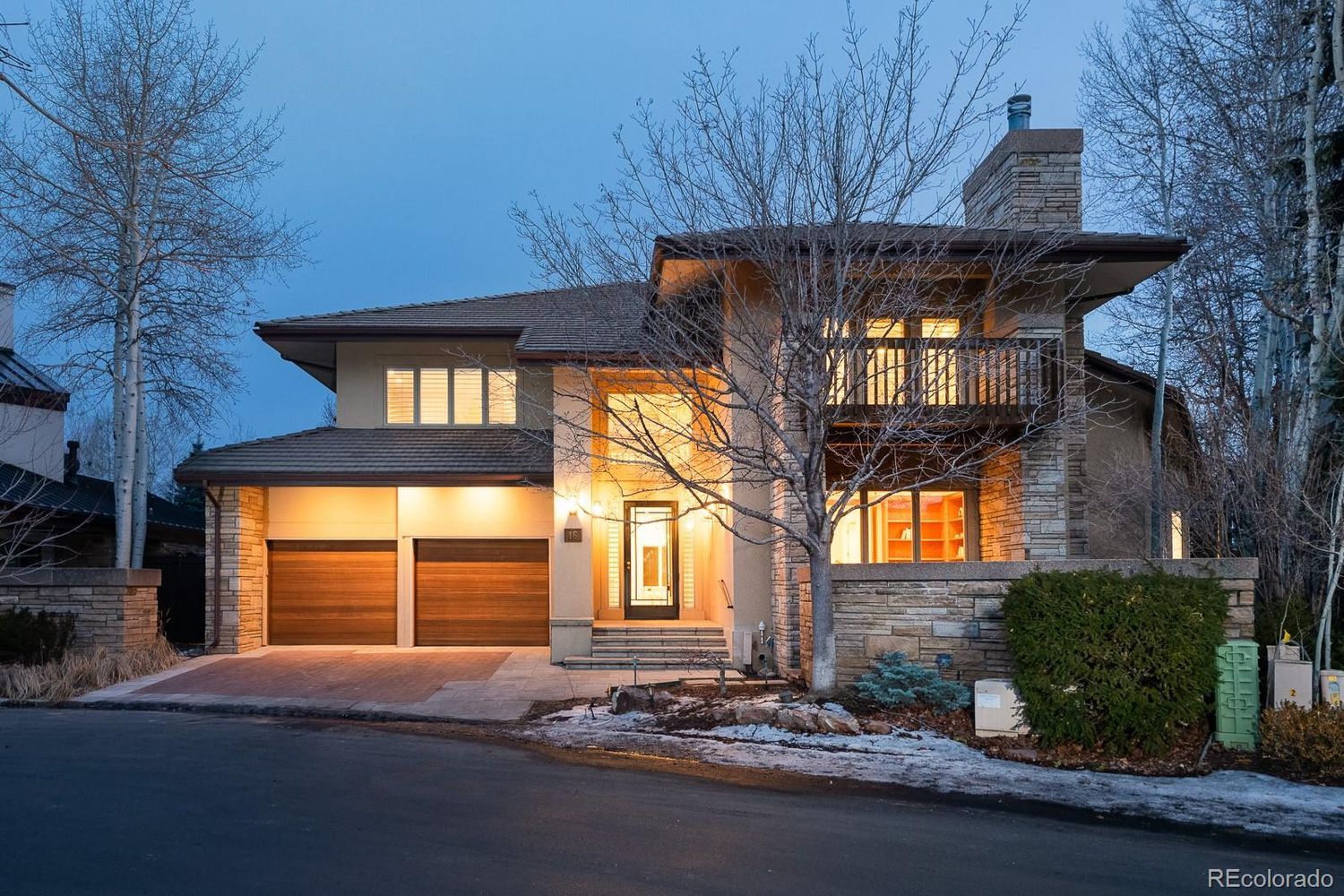
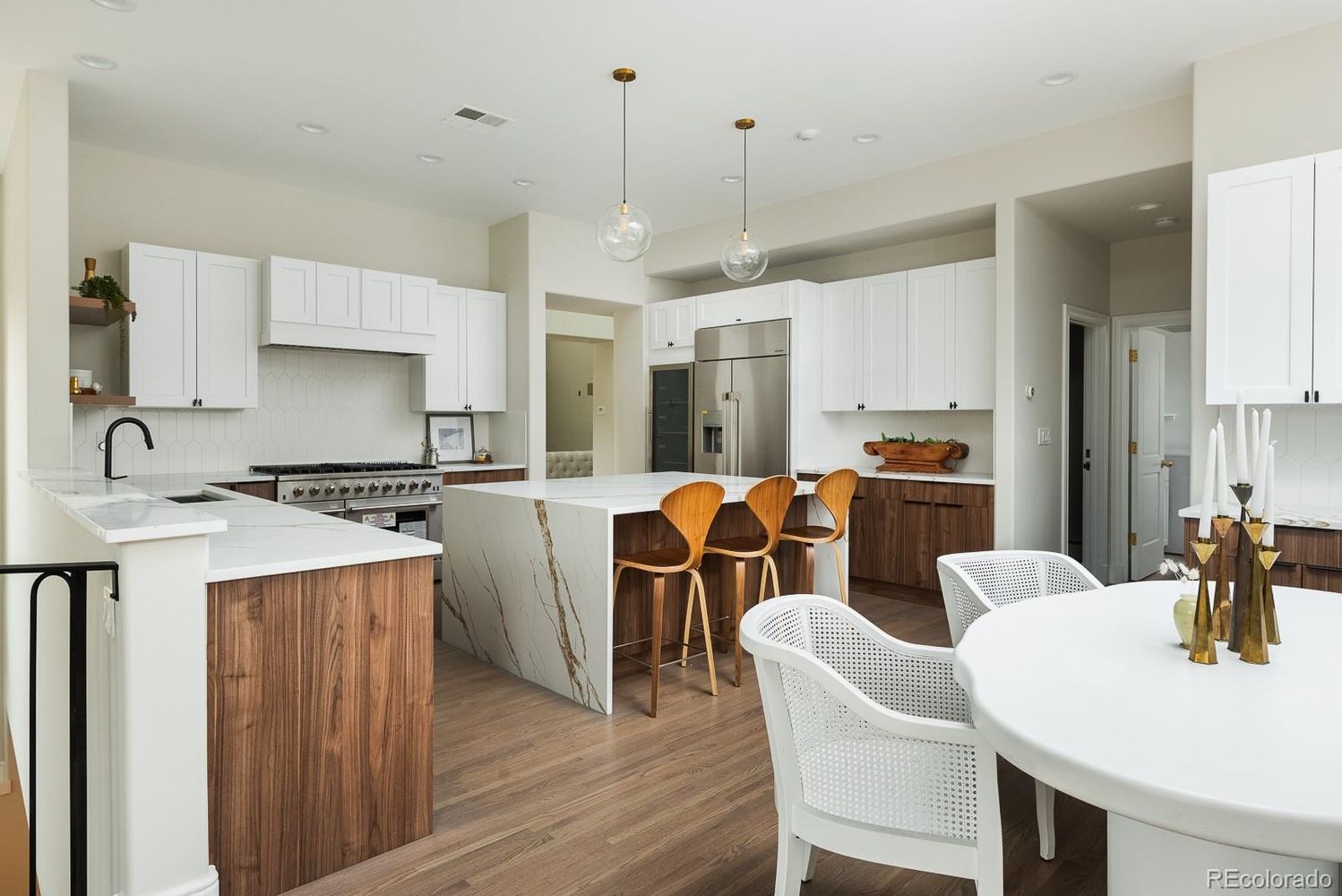
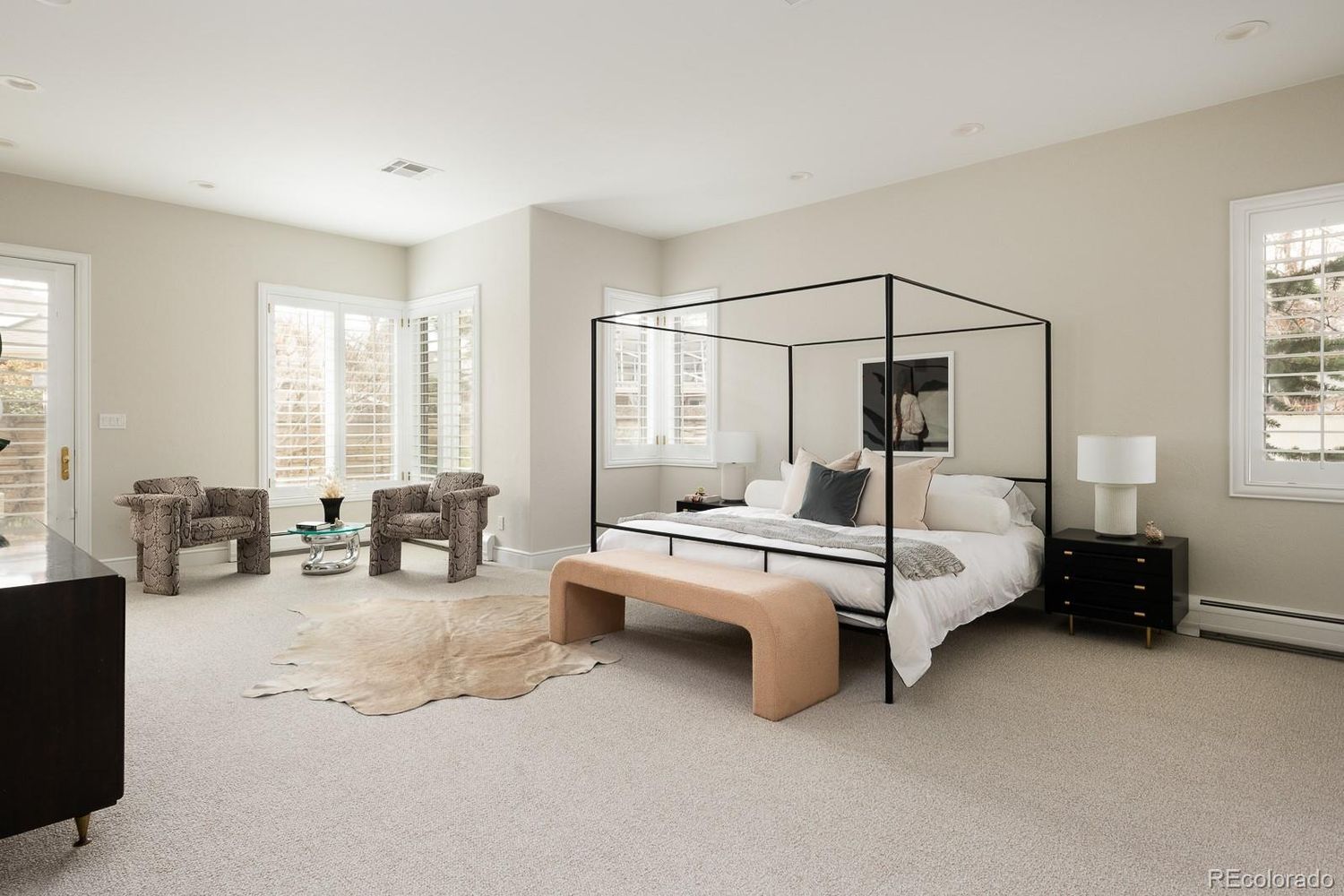
  • Features: Hardwood flooring, expansive kitchen with custom cabinetry and a large center island, fireplace, primary suite with five-piece bathroom, spacious balcony, finished basement for entertaining, covered patio, three-car attached garage.
400 South Steele St., Unit 16, Photo: Courtesy of Compass

🌱

Support local journalism by becoming a member.

Learn more

More Denver stories

No stories could be found

Denverpostcard

Get a free daily digest of the most important news in your backyard with Axios Denver.

🌱

Support local journalism by becoming a member.

Learn more

FACT SHEET: President Biden’s Budget Lowers Housing Costs and Expands Access to Affordable Rent and Home Ownership | OMB

FACT SHEET: President Biden’s Budget Lowers Housing Costs and Expands Access to Affordable Rent and Home Ownership | OMB

President Biden believes that everyone deserves to live in a safe and affordable home. Whether you rent or own, having a place to live that you can afford in a neighborhood with opportunities is the foundation for so much else in life.

It’s also the foundation for so much else in our economy. A lack of quality affordable housing hinders the job market and holds back economic growth by making it harder for workers to access good-paying jobs. It drives up costs for families and inflationary pressures. It also increases commutes and inefficient energy consumption, which exacerbates climate change. And a lack of affordable housing opportunities perpetuates the ongoing segregation and discrimination that our nation committed to eradicate nearly 60 years ago.

That’s why the President’s Budget includes a historic investment to lower housing costs, expand housing supply, improve access to affordable rental options and homeownership, and advance efforts to end homelessness. The Budget includes both mandatory and discretionary housing investments, totaling more than $175 billion. The Budget:

  • Invests in building and preserving millions of affordable homes for rent and ownership, and reducing barriers to housing production – from restrictive land use policies to practices that foster discrimination and disparate treatment in the housing market.
  • Makes a long-term commitment to housing accessibility and affordability for youth aging out of foster care and veterans. This support – targeted to extremely low-income populations that are vulnerable to homelessness – is a historic down payment on the President’s goal of providing universal housing vouchers for low-income households.
  • Invests in first-time, first-generation homebuyers who have been locked out of the generational wealth building that can be associated with homeownership by providing down payment assistance.
  • Provides funding to build on the Biden Administration’s unprecedented eviction prevention, diversion, and rent relief programs, advance efforts to end homelessness, and make progress towards President Biden’s goal of reducing homelessness by 25{0cd64a0a8f98edc6e1a333a4649a39f4fde229418ea626ab6b5ac18b9de2691d} by 2025.

Together, the Budget proposes investments and actions that will lower costsfor renters and homebuyers, make our economy stronger and more resilient, and advance equity, economic opportunity, and fair housing principles that are central to the President’s economic agenda.

Building and Preserving Affordable Housing

America faces a longstanding and nationwide shortfall in affordable housing that has been growing for decades. In May 2022, the Administration released a Housing Supply Action Plan that included administrative and legislative actions to close the housing supply shortfall in 5 years. The Administration has already delivered on many of those commitments, and will continue to build on the historic number of multifamily units under construction through additional administrative actions that: make it easier to build and preserve affordable, multifamily supply; advance the production and preservation of homes like accessory dwelling units and manufactured housing; and incentivize state and local governments to reduce barriers to affordable housing development. The President’s Budget builds on that progress and calls on Congress to:

  • Create A New Neighborhood Homes Tax Credit. The Budget proposes a new Neighborhood Homes Tax Credit, which would be the first tax provision to directly support building or renovating affordable homes for homeownership. At a cost of $16 billion over ten years, the credit would cover the gap between the cost of construction and the sale price for rehabilitated or newly constructed single-family homes in low-income communities, encouraging investment in homes that would otherwise be too costly or difficult to develop or rehabilitate – and spurring investment and economic activity in communities that have long suffered from disinvestment. The tax credit would be provided on the condition that the home is occupied by low- or middle-income homeowners.  
  • Expand the Low-Income Housing Tax Credit (LIHTC). LIHTC is the largest Federal incentive for affordable housing construction and rehabilitation. The Budget invests $28 billion in expanding this tax credit in order to boost the supply of housing that is affordable for low-income renters. Specifically, the Budget permanently increases the allocation of tax credit states receive. It also reduces the private activity bond financing requirement from 50 percent to 25 percent in order to leverage more private capital into LIHTC deals and build more units of affordable housing. And it repeals the qualified contract provision and right of first refusal provision – both of which allowed some owners of LIHTC units to exit requirements to keep rents at affordable levels.
  • Provide New Project-Based Rental Assistance (PBRA) for ELI households. Eleven million of the 44 million renter households in the U.S. have extremely low incomes (ELI)—incomes at or below the poverty level or 30{0cd64a0a8f98edc6e1a333a4649a39f4fde229418ea626ab6b5ac18b9de2691d} of the area median income. Producing and preserving housing that is affordable for those households – and ensuring rents remain affordable for those households – is a critical component of tackling the Nation’s housing challenges that often requires additional subsidy. The Budget includes $7.5 billion in funding for new Project-Based Rental Assistance (PBRA) contracts, which are long-term contracts with private for-profit or non-profit owners to rent new affordable housing units. These new contracts, in combination with other low-income housing programs and incentives, will attract development capital for the creation of new affordable homes for America’s neediest families.
  • Reduce Barriers to the Development of Affordable Housing. The Budget includes $10 billion for planning and housing capital grants to incentivize State and local jurisdictions to expand supply and increase housing choice by reducing barriers to the development of affordable housing. The grants will help jurisdictions identify and remove barriers to affordable housing in their communities, such as restrictive zoning and burdensome permitting processes. These grants build on discretionary investments in the Budget, including $85 million for a competitive program to reward State, local, and regional jurisdictions that make progress in removing barriers to affordable housing development and $90 million to support State and local fair housing enforcement organizations and to further education, outreach, and training on rights and responsibilities under Federal fair housing laws. HUD also promotes fair housing with recent Administration actions like the proposed Affirmatively Furthering Fair Housing Rule.
  • Preserve Public Housing through Rehabilitation and Redevelopment. Over 1.7 million Americans live in Public Housing, and over half of households are led by seniors or people living with disabilities. The Budget includes a one-time $7.5 billion investment in funding on the mandatory side of the budget to address the capital needs of the most distressed public housing properties nationwide. Ensuring communities have the funds they need for Public Housing rehabilitation and modernization is critical to providing safe and sustainable living conditions for all – and to ensuring housing shortages aren’t exacerbated. In addition to this one-time investment, the Budget centralizes inspection-related funding for HUD-assisted multifamily properties and Public Housing, which would enhance HUD’s ability to address financial and physical risks and would complement HUD’s cutting-edge National Standards for Physical Inspection of Real Estate (NSPIRE) inspection standards. The Budget also provides $3.2 billion for Public Housing modernization and $300 million to improve the physical condition, energy efficiency, and climate resilience of the Public Housing stock. In addition, across its programs, HUD is investing in and coordinating efforts to allow for simultaneous implementation of climate resilience, carbon reduction, and mitigation and adaptation actions at the project, community and regional levels. The budget includes $752 million for targeted investments in these efforts for public and assisted housing.
  • Increase the Supply of Affordable Housing Financed by Existing HUD programs. The Budget provides $1.8 billion for the HOME Investment Partnerships Program (HOME), an increase of $300 million over the 2023 enacted level, to construct and rehabilitate affordable rental housing and provide homeownership opportunities. In 2022 the program helped create over 15,000 units of housing and nearly 17,000 households were assisted with tenant based rental assistance through the HOME program. In addition, the Budget provides $258 million to support 2,200 units of new permanently affordable housing specifically for the elderly and persons with disabilities, supporting the Administration’s priority to maximize independent living for people with disabilities.And the Budget provides over $1 billion to fund tribal efforts to expand affordable housing, improve housing conditions and infrastructure, and increase economic opportunities for low-income families. Of this total, $150 million would prioritize activities that advance resilience and energy efficiency in housing-related projects.  The Budget also recognizes the importance of advancing modern building and energy codes in existing housing and new construction; ensuring housing is designed, built, and operated to be high performing and adapted to climate risks and natural hazards. This builds on the Administration’s efforts to secure in the Inflation Reduction Act $1 billion to create a national green-and-resilient-retrofit-program.
  • Reduce Housing Insecurity in Rural Communities. Affordable housing has been a long-standing problem for low-income residents in rural communities, one that is exacerbated by low energy efficiency of the aging housing stock which means higher costs to families. The Budget increases funding by 283 million above the 2023 enacted level for USDA’s multifamily housing programs.  This initiative would allow the Administration to reduce rent burdens for low-income borrowers while also increasing the resiliency of rural housing to the impacts of climate change through a proposal to require energy and water efficiency improvements and green features in housing construction.

Promoting Rental Affordability and Fairness, and Making Progress Toward Universal Housing Vouchers for Extremely Low-Income Households

While around 2.3 million low-income households receive rental assistance through the Housing Choice Voucher (HCV) program, another roughly 10 million are eligible and do not receive assistance due to funding limitations and wait lists. The Administration has secured rental assistance for an additional 100,000 households through the American Rescue Plan and the 2022 and 2023 appropriations bills. And in January, the Administration announced a Blueprint for a Renters Bill of Rights, which enumerated principles to shape federal, state, and local action, and announced agency commitments to strengthen tenant protections and encourage rental affordability.

But there is more work to do. For the first time in history, the Budget includes a voucher guarantee for two population groups that are acutely vulnerable to homelessness: youth aging out of foster care and extremely low-income veterans. Between discretionary funding, program reserves, and these mandatory proposals, these vouchers would serve well over an additional 200,000 households. The President’s Budget calls on Congress to:

  • Expand the HCV Program and Enhance Household Mobility. The Budget provides $32.7 billion, an increase of $2.4 billion (including emergency funding) over the 2023 enacted level, to maintain services for all currently assisted families and to expand assistance to an additional 50,000 households. In addition, the Budget anticipates funding from the HCV program reserves will expand assistance to another 130,000 households. The Budget also provides $25 million for mobility-related supportive services to provide low-income families with greater options to advance true housing choice.
  • Create a Housing Voucher Guarantee for Extremely Low-Income Veterans. The President believes that no one should be forced to live on the street, especially not those who have served our Nation. But an estimated 450,000 veteran renter households with extremely low incomes currently receive no rental assistance and have what HUD terms “worst-case housing needs.” Over a ten-year period and at a cost of $13 billion, the Budget expands rental assistance to extremely low-income (ELI) veteran families, starting with an allocation of 50,000 targeted vouchers in 2025 and paving a path to guaranteed assistance by 2033 for all who have served the Nation and are in need.
  • Create a Housing Voucher Guarantee for Youth Aging out of Foster Care. Approximately 20,000 youth exit foster care annually, typically between the ages of 18 and 21, and these young people face greater obstacles to accessing and maintaining housing and as a result experience higher rates of homelessness and housing instability compared to the general population. To ensure these young people are stably housed and better able to focus on advancing their education or building a career during this difficult transition, the Budget establishes a housing voucher program for all youth aging out of foster care annually.

Making Homeownership a Reality for More First-Time and First-Generation Homebuyers

Achieving and maintaining homeownership is the primary way that American families build wealth and create economic security. That’s why the Administration implemented a series of measures that protected homeowners from foreclosure during the pandemic, including enhanced loan modifications to resolve delinquencies. In addition, the American Rescue Plan’s Homeowner Assistance Fund is helping struggling homeowners catch up on their mortgage payments and utility costs. These actions have helped keep foreclosures below pre-pandemic levels.

It’s also why just last month – as reflected in the President’s Budget – HUD, through the Federal Housing Administration (FHA), lowered its annual mortgage insurance premium. This step is projected to save homebuyers and homeowners with new FHA-insured mortgages an average of $800 per year, lowering housing costs for an estimated 850,000 homebuyers and homeowners in the first year. And it builds on steps the Administration has already taken, including changing FHA underwriting policies to allow lenders to use positive rental history in evaluating applicants’ creditworthiness for an FHA-insured mortgage, changing the way in which student loan debt is evaluated in FHA mortgage underwriting, and announcing more than 20 concrete agency actions to root out racial and ethnic bias in home valuations. In addition, the Budget reflects a reduction in mortgage insurance fees for Native American borrowers in the Indian Housing Loan Guarantee Program, which will save borrowers over $500 on average in their first year.

But there is more work to do to make the dream of homeownership attainable for more Americans, particularly first-time and first-generation homebuyers who have been locked out of the generational wealth building that can come from homeownership. That’s why the Budget calls on Congress to:  

  • Launch a First-Generation Down Payment Assistance Program. The Budget provides $10 billion for a program to target down payment assistance to first-time homebuyers whose parents do not own a home and are at or below 120{0cd64a0a8f98edc6e1a333a4649a39f4fde229418ea626ab6b5ac18b9de2691d} of the area median income or 140{0cd64a0a8f98edc6e1a333a4649a39f4fde229418ea626ab6b5ac18b9de2691d} of the area median income in high-cost areas. Eligible activities would include costs in connection with acquisition such as down payment costs, closing costs, and costs to reduce the rates of interest on eligible mortgage payments. Analysis estimates these program parameters would mean that more than 35{0cd64a0a8f98edc6e1a333a4649a39f4fde229418ea626ab6b5ac18b9de2691d} of potential program participants would be African-American and more than 25{0cd64a0a8f98edc6e1a333a4649a39f4fde229418ea626ab6b5ac18b9de2691d} would be Latino – helping to address the stubborn racial homeownership gap that remains at pre-Fair Housing Act levels.
  • Increase HUD Funding for Homeownership. The Budget also includes $100 million for a down payment assistance pilot to expand homeownership opportunities for first-generation and/or low wealth first-time homebuyers and $15 million to increase the availability of FHA small balance mortgages.
  • Promote Homeownership in Rural America. Single-Family Housing Direct loans from USDA help low-income borrowers in rural areas realize the dream of homeownership. That said, the current program requires borrowers to repay subsidy costs, a requirement unique to rural housing. The Budget proposes eliminating this penalty, making the program consisted with other USDA subsidized interest rate programs, and promoting equity for low-income rural residents.

Advancing Efforts to Prevent Evictions and End Homelessness

During the pandemic, the Administration stood up a first-of-its-kind national eviction prevention infrastructure, which helped 8 million renter households at risk of eviction and kept evictions below pre-pandemic levels. During one of the greatest periods of economic uncertainty our Nation’s history, we did not see a spike in homelessness.

In addition, at the end of last year, President Biden set the bold goal of reducing homelessness by 25{0cd64a0a8f98edc6e1a333a4649a39f4fde229418ea626ab6b5ac18b9de2691d} by 2025 with the release of All In: The Federal Strategic Plan to Prevent and End Homelessness. The Administration’s roadmap is not only about getting people into housing but also ensuring that they have access to the support, services, and income that allow them to thrive. The plan focuses attention on homelessness prevention and actions to ensure an adequate and diverse stock of affordable housing, renter protections, and social service supports. The plan also seeks to promote and expand eviction-prevention reforms, including those  advocated as part of the Biden Administration’s implementation of the Emergency Rental Assistance program. The Budget seeks to continue the policies that are most effective in preventing avoidable evictions and give hard pressed American families more opportunities to stay in their homes, even during hard times. The President’s Budget calls on Congress to:

  • Support, Solidify, and Encourage State and Local Reforms to Avoid Evictions. The Administration stood up a historic national eviction prevention infrastructure during the pandemic, helping keep eviction filings 20{0cd64a0a8f98edc6e1a333a4649a39f4fde229418ea626ab6b5ac18b9de2691d} below historical averages, even well after the eviction moratorium ended. The Budget provides $3 billion to build on these efforts, with a focus on upstream prevention and eviction diversion, improving renters’ access to resources, and making the legal process for renters fairer. This funding can be used to develop or implement policy reforms and program improvements such as providing emergency rental assistance or other forms and new models of rent relief, and expanding access to legal counsel, housing counselors, and court navigators.
  • Bolster efforts to prevent and end homelessness. To prevent and reduce homelessness, the Budget provides $3.7 billion, an increase of $116 million over the 2023 enacted level, for Homeless Assistance Grants to meet renewal needs and expand assistance to approximately 25,000 additional households, including survivors of domestic violence, dating violence, sexual assault, stalking, and human trafficking and homeless youth.  These targeted resources would support the Administration’s recently released Federal Strategic Plan to End Homelessness.  The Budget also provides $505 million for Housing Opportunities for Persons with AIDS, serving a population with a disproportionately high rate of homelessness and providing a critical link to services.

###

Stockberger: Spring real estate market in full swing, with new listings ahead

Stockberger: Spring real estate market in full swing, with new listings ahead

March 13, 2023

This compensated piece is sponsored by Amy Stockberger Actual Estate.

By Amy Stockberger

In spite of bigger curiosity fees, the spring real estate industry is in full swing once again, and we have listings coming, a little something we desperately want correct now.

Though we commonly see the spring market open in February, the winter season wonderland has delayed sellers placing their property on the current market. It’s not essentially higher curiosity charges as several may possibly assume. When premiums went up, we saw extra relocating clientele who ended up on the fence about moving to our slice of heaven make the determination last, and they are heading this way with hopes to be in their new homes in advance of summer time.

At Amy Stockberger Actual Estate, we have a plethora of investments hitting the sector in the next pair of months, from higher-conclusion honeys that have all the bells and whistles to the basic first-time properties and shift-up value ranges. We also have a handful of distinctive and thoroughly modernized houses coming to current market soon.

It is however quite considerably a seller’s current market, this means householders have a lot of upside in our market as much as leveraging their value and conditions. Homeowners also have significantly additional equity correct now than ever ahead of, permitting them to make intelligent buying decisions.

Are you a homeowner wanting to provide your residence this spring? Inspite of the current uptick in desire fees, the true estate market in Sioux Falls is nevertheless flourishing, generating it the perfect time to record your residence. According to the Realtor Association of the Sioux Empire, the median income price tag for single-loved ones houses in Sioux Falls enhanced by 4.8 percent in February, when compared with the exact month very last 12 months. This usually means that you can be expecting to obtain competitive presents and potentially promote your property for far more than its asking price.

But we understand that selling your property can be too much to handle. Which is in which Amy Stockberger Authentic Estate arrives in. Our Vendor Procedure Guidance application will take the anxiety out of getting your house marketplace-completely ready, providing a project supervisor technique that does the weighty lifting for you. Our committed list of Dwelling Assist Partners offers a range of solutions, from contractors to handymen, inside and exterior painters, organizers, carpet cleaners, landscapers and far more. We handle it all, so you never have to!

Our experienced agents will meet up with with you to figure out which services and tasks can raise your profits cost, coordinate bids to identify a spending budget that suits your objectives and aid in the project management of every company and project. This suggests that you can sit back and chill out when we deal with almost everything from start to end.

Here’s how it works:

  1. Get in touch with Amy Stockberger Serious Estate to have 1 of our qualified brokers meet with you to determine what products and services and assignments can maximize your sales price.
  2. Your Amy Stockberger Genuine Estate agent will coordinate bids to figure out a spending plan that fits your goals.
  3. Once function starts off, your dependable Amy Stockberger Serious Estate agent will help in the venture administration of just about every services and task.
  4. Upon completion, your residence is place on the sector employing our established aggressive Seller Approach.
  5. Rejoice closing working day with peace of thoughts and a greater sales value!

At Amy Stockberger Genuine Estate, we have the experience, ability and all-inclusive solutions to exceed your objectives. Our personalized task supervisor will be at your support to change your expectations for the highway in advance while supplying you trustworthy suggestions to make you additional revenue, all with the heart of a faithful close friend.

We have a strategic, all-inclusive procedure in location to enable the mind-boggling SOS emotion most owners get when pondering about having their residence on the industry. Even in a lower-stock current market, residences that shine market for a lot more income and speedier.

With a lot more stock anticipated to hit the market place this spring, now is the time to get a soar-get started on your levels of competition and come out on top. If you’re intrigued in discovering additional about our Seller Operation Aid application, click right here.

And if you’re hunting for greatest convenience and no do the job on your aspect, we also provide an Instant Supply plan.

Make contact with us right now to get commenced, and consider the first action towards a worry-cost-free dwelling-promoting expertise.

Click on here to check out out our fantastic Home Support Crew Partners.

Seeking to acquire or provide a property? Visit Amy Stockberger Authentic Estate below.

Click right here to look at our listings.

Get your initial search at our new twin residences listed here.

Simply click here if you are taking into consideration a relocation to Sioux Falls or the bordering space or want a absolutely free relocation packet total of nuggets of info about the best of Sioux Falls.

Click below to see if your business is a in shape for our House Aid Staff.

Simply click right here for info on Amy Stockberger Authentic Estate’s free VIP Club.

Click on right here for particulars on Amy Stockberger True Estate Appreciate It or Go away It Guarantee.

Will need a meeting or instruction place? Use ours.

Discover Amy Stockberger Authentic Estate on Facebook in this article.